|
|
|
|
|
|
|
|
|
|
|
||||||||
|
||||||||||||||||||
|
Email us at: |
||||||||||||||||||
 |
||||||||||||||||||
 |
 |
|||||||||||||||||
|
Click the sun to see the |
||||||||||||||||||



 |
||||||||||||
|
|
|
|
|
|
|
||||||
|
||||||||||||
|
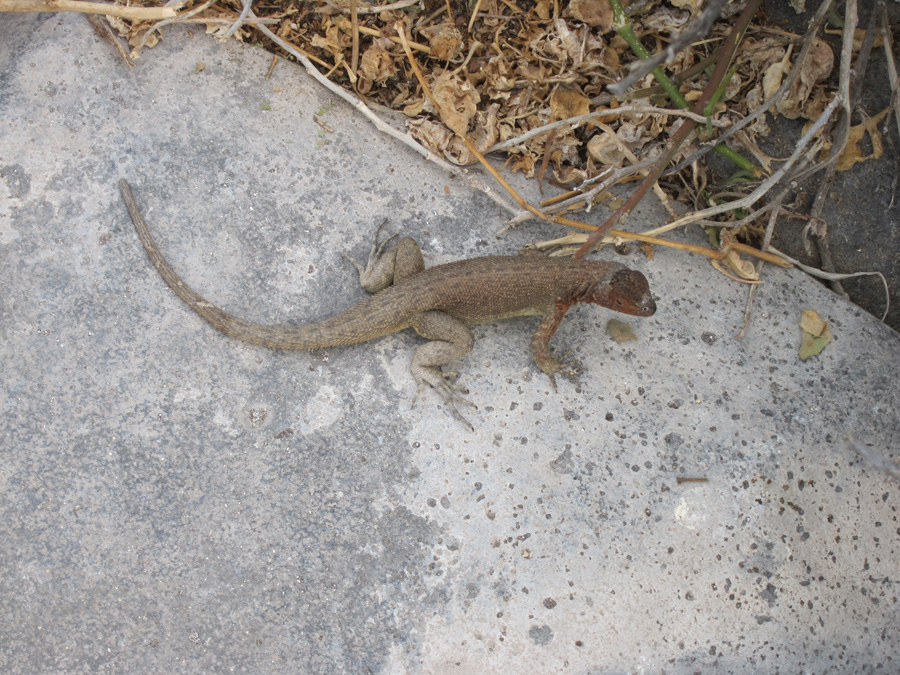
The lava lizards here are the largest of the 7 species endemic to the Galapagos.
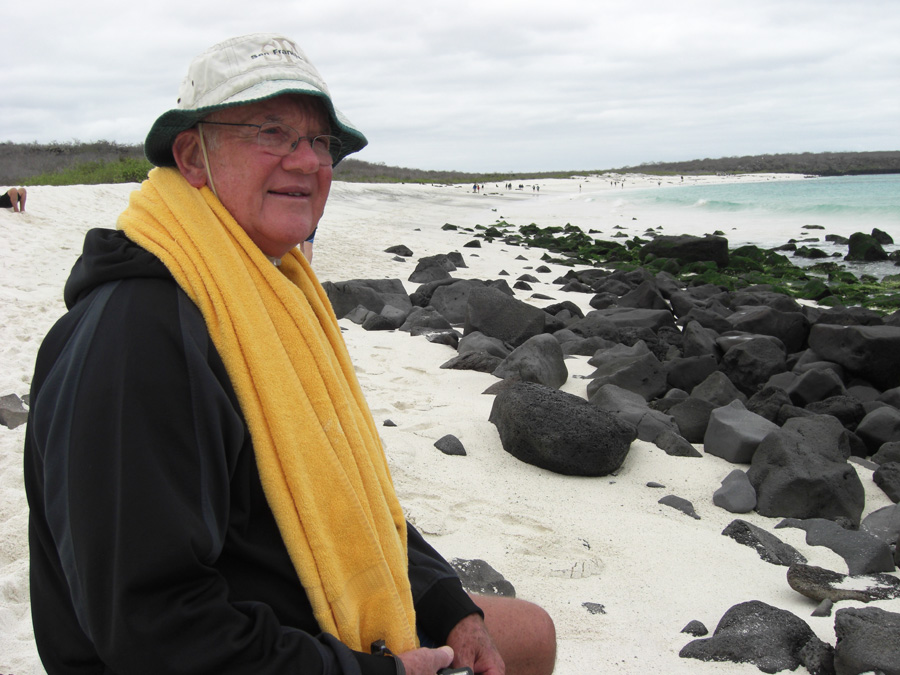
It is so quiet and peaceful here. Just sitting on a rock and absorbing the wonders of Nature is very satisfying.
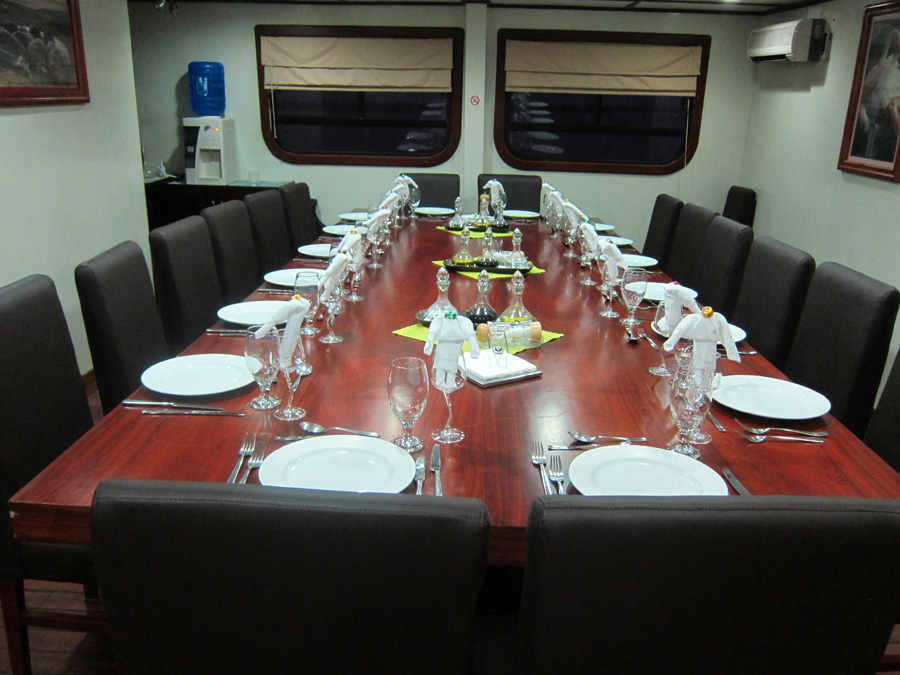
When we returned to the ship for dinner that evening, we discovered that the crew
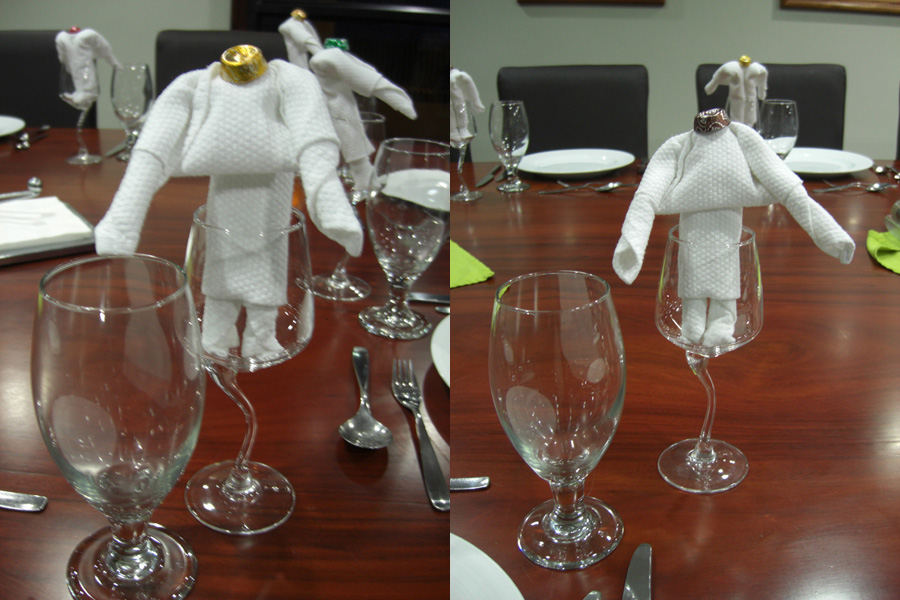
And yes, I did eat the chocolate on mine before dinner. Our wonderful crew had fun making everything so nice.
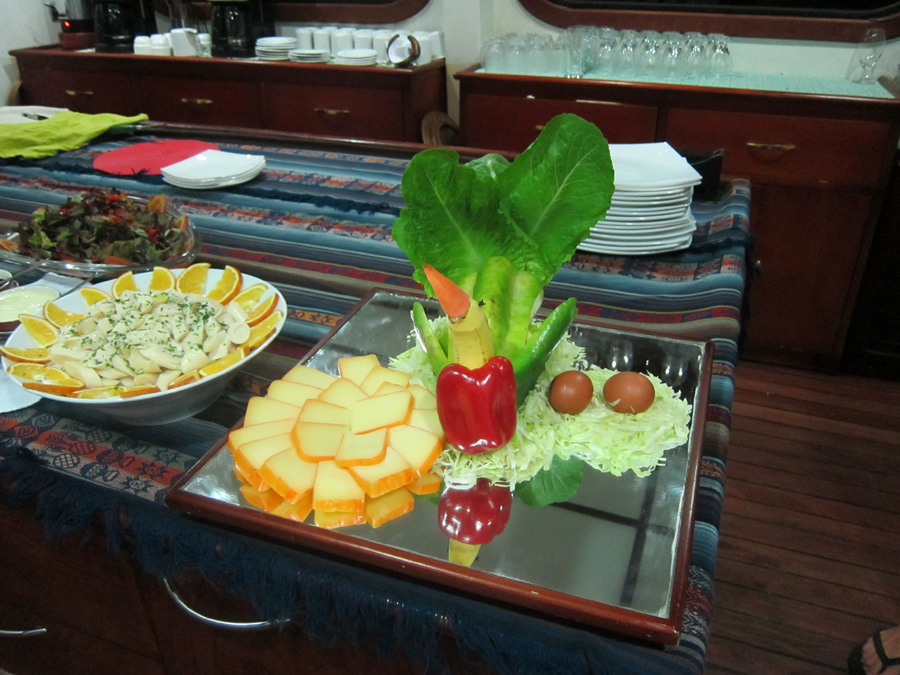
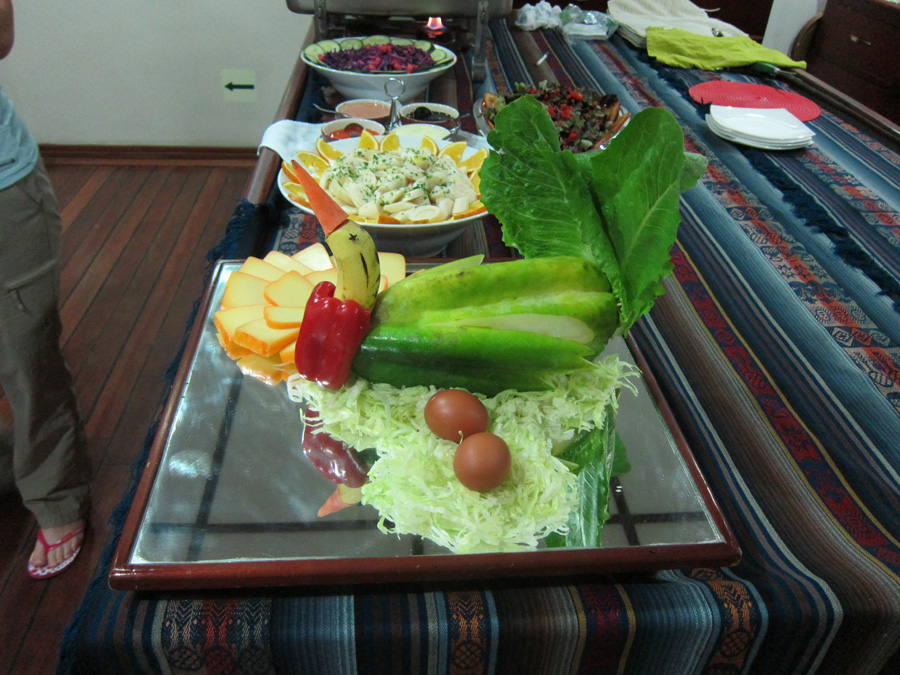
After a day of seeing nesting Blue Footed Boobies and Albatross, the chef gave us his interpretation of a nesting bird.
Check out those red eggs. LOL And the red bell pepper is more reminiscent of the Frigate Bird, which And so ends another wonderful day. Our adventure is coming to an end too quickly, and there is so much more yet to come. DAY NINE ~ Floreana: Devil's Crown and Cormorant Point
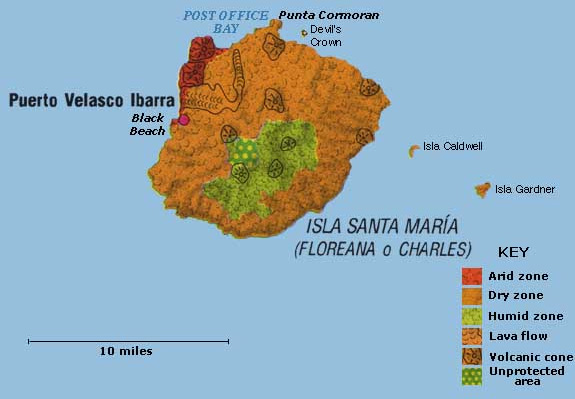
We began our morning with a Zodiac ride to Post Office Bay on the island of Floreana. Floreana or Santa Maria Island is the sixth biggest island of the Galapagos. It is roughly rectangular, with sides about 10 X 7 miles long. The highest point is 2,100 feet. It's land area is 67 square miles (173 sq. km) and is composed of a single volcano, which is inactive, and probably extinct. The official name of Santa Maria comes from one of Columbus' ships but most people call it Floreana after President Juan José Flores of Ecuador. Previously the English had called it Charles in honor of King Charles II.
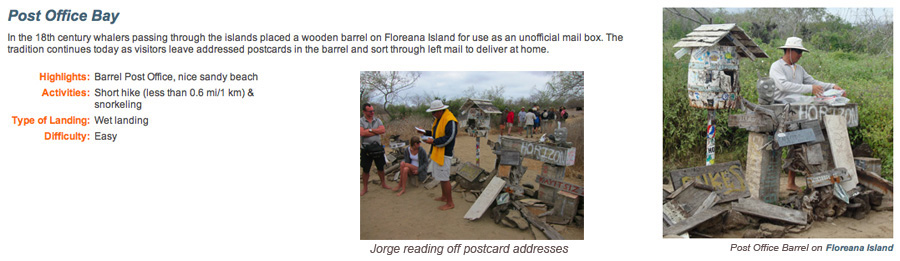
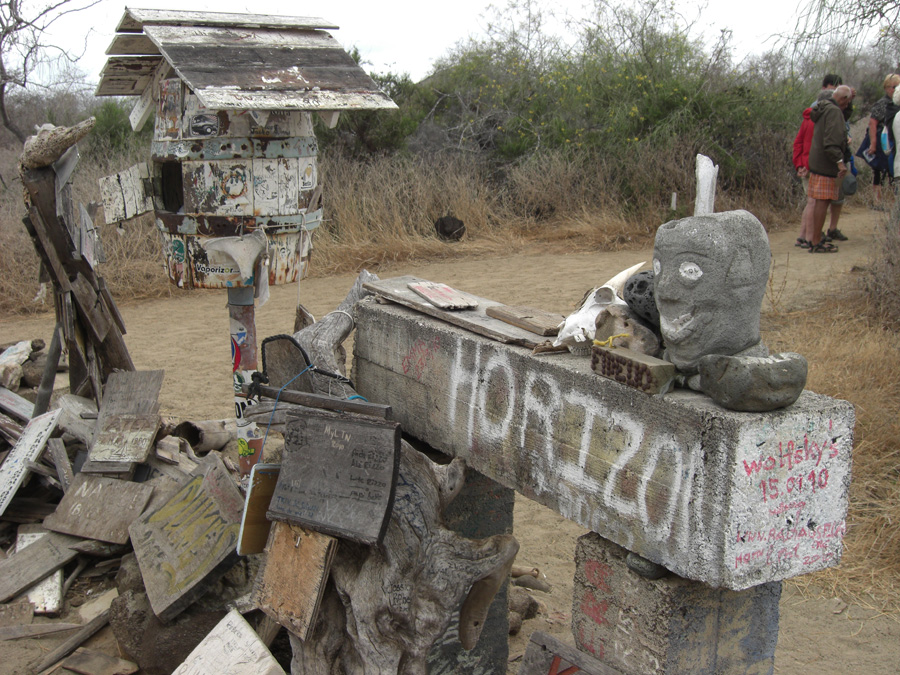
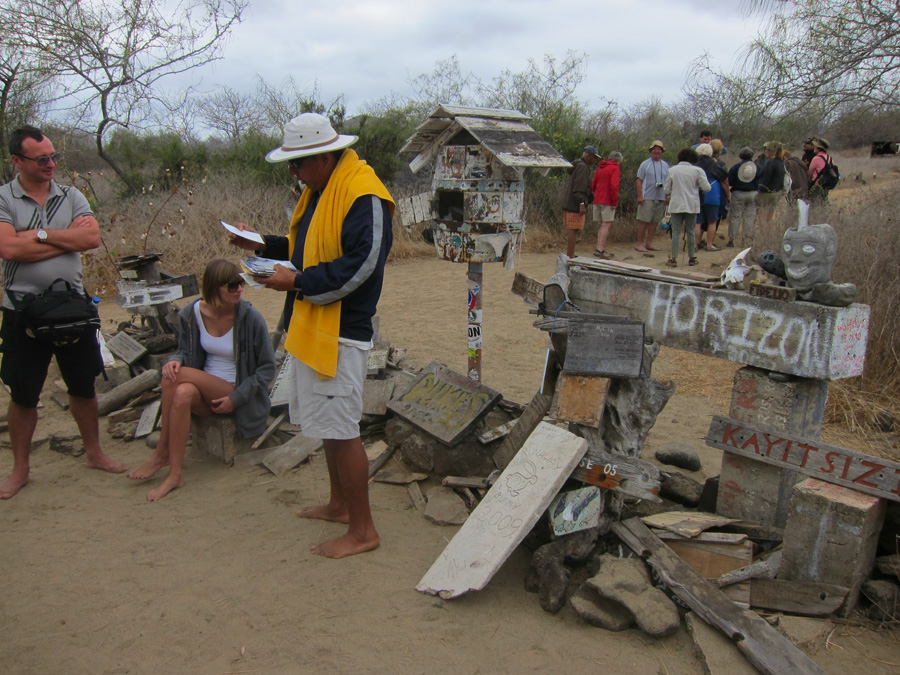
The Floreana tortoise was common in the early 1700s, but Extinct by the 20th century, hunted by whalers, sealers and settlers. On Santa Fe Island, only remains have been found. Only one specimen was ever found on Fernandina; its remains are now at the California Academy of Science Museum in San Francisco. During the 19th century, tortoises were a popular source of fresh meat as they could stay alive for as much as a year without food or water. Females were hunted first as they were smaller than males and were more accessible in lowland areas during the egg-laying season. Today, the biggest problem facing the endemic giant Galapagos tortoise on many islands is that of introduced species. Introduced rats and ants destroy tortoise eggs and consume hatchlings, preventing the regeneration of tortoise populations. Invasive herbivores, such as goats, donkeys, pigs and cattle, destroy the vegetation and compete with tortoises for food. Goat populations grow rapidly, causing erosion and changing the appearance of the land. With the fourth largest human settlement, this island has a very colorful history and has often been associated with whalers, pirates, buccaneers, convicts and colonists over the years. The first post office in the Galapagos can be found here, which was established by the British in 1793 to send and receive letters from England. The post office was actually just a barrel into which letters were placed, and this tradition continues on to this day. Pete and I both wrote a post card and it was put in the barrel. We also received two other post cards from the barrel addressed to folks in Argentina, so when we returned home we put stamps on them and sent them on to their destination. We wonder if our post cards have since been picked up by some other tourists and carried back home to be mailed.
The Post Office Barrel at Post Office Bay on Floreana Island
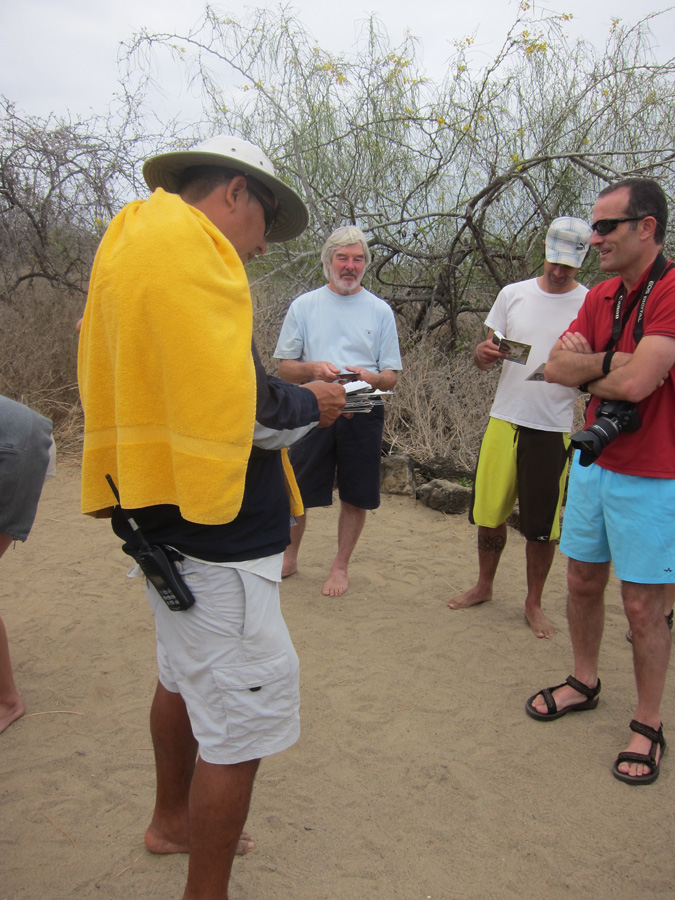
Jorge reading addresses & passing out cards to members of our group who will be returning to a location of the address.
Peter Gallego has a couple of cards he's taking back to Switzerland
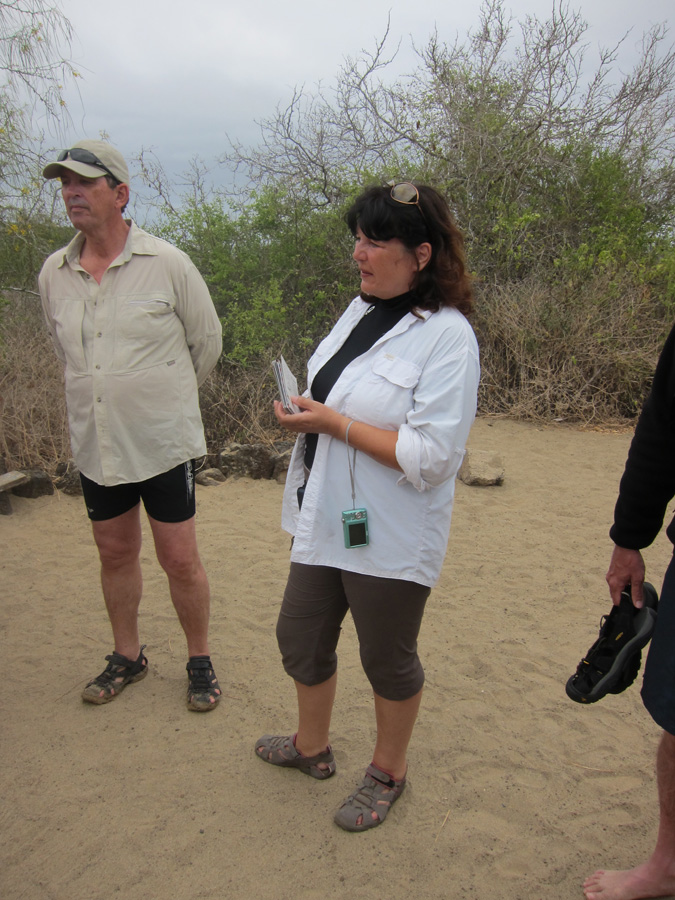
Marlies Gollner has several cards she will be taking back to Spain for mailing
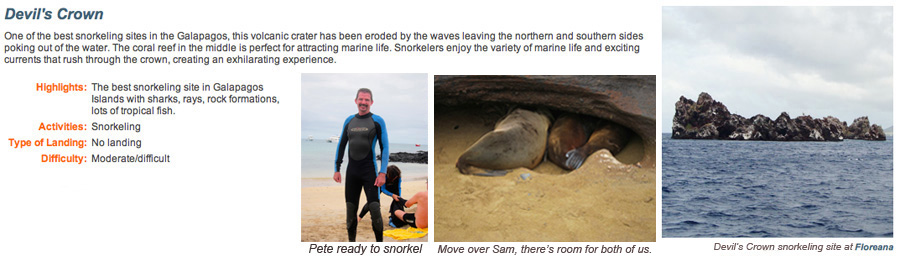
We leave Post Office Bay and head back to the Athala where we don our wet suits and then head for a very nice beach near Devil's Crown so we can do some snorkeling.
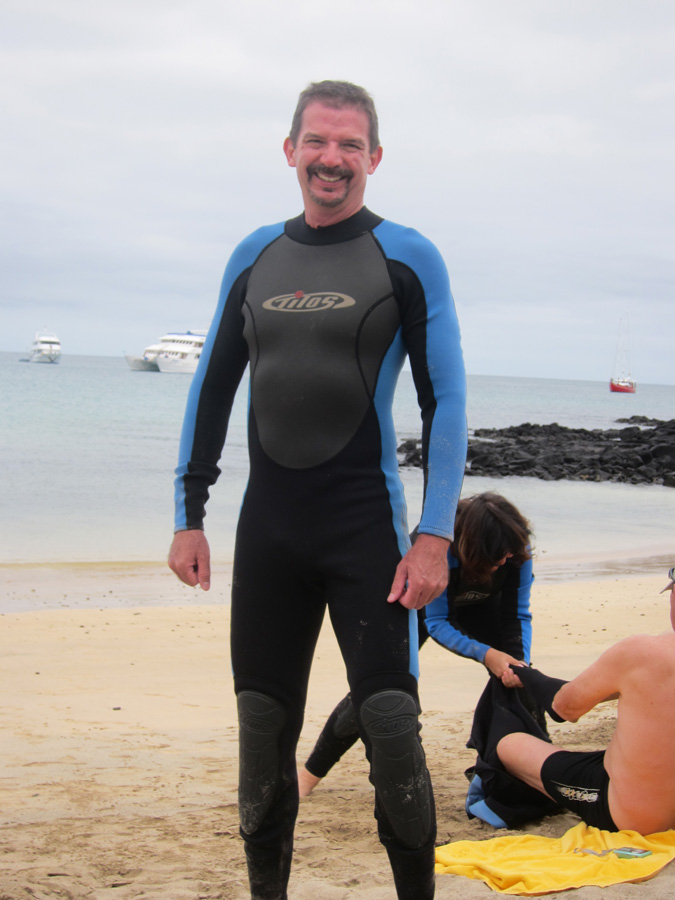
Pete was ready to go snorkeling, but I felt it was just two darn cold, and
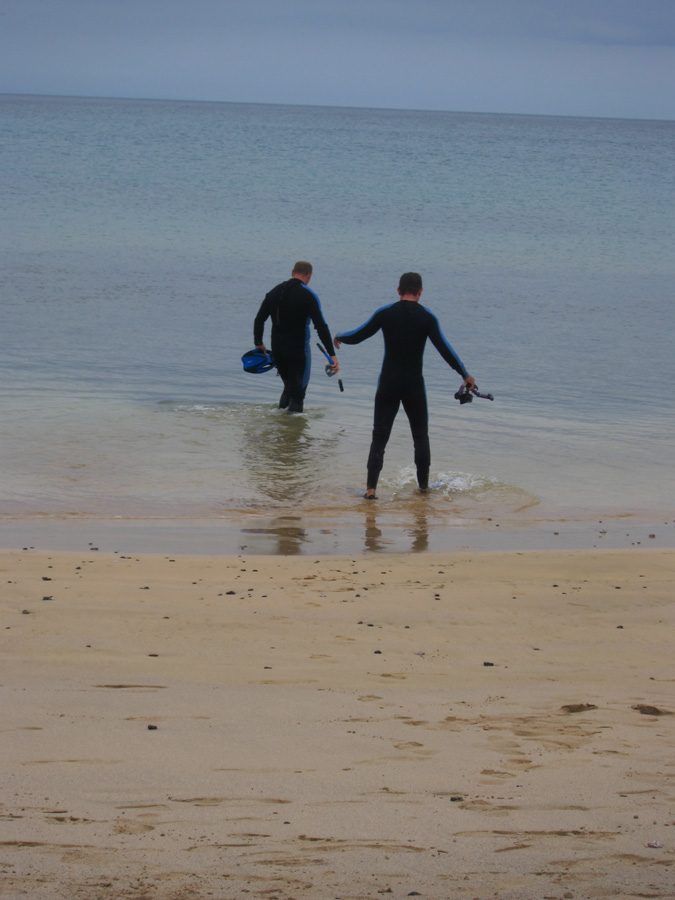
As Pete gingerly braves the icy waters, it becomes obvious to me that I made the right
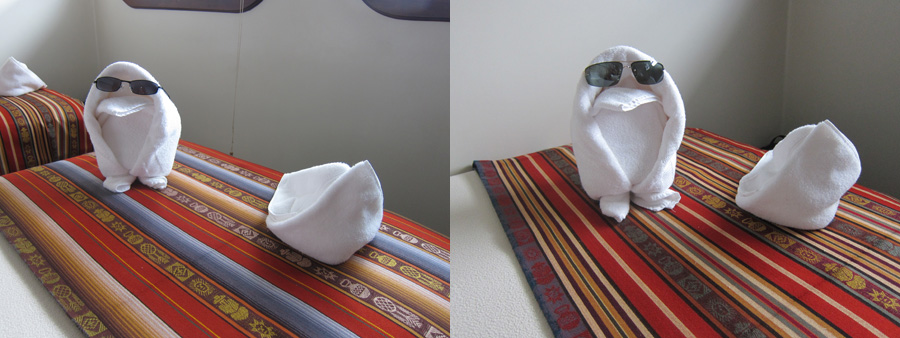
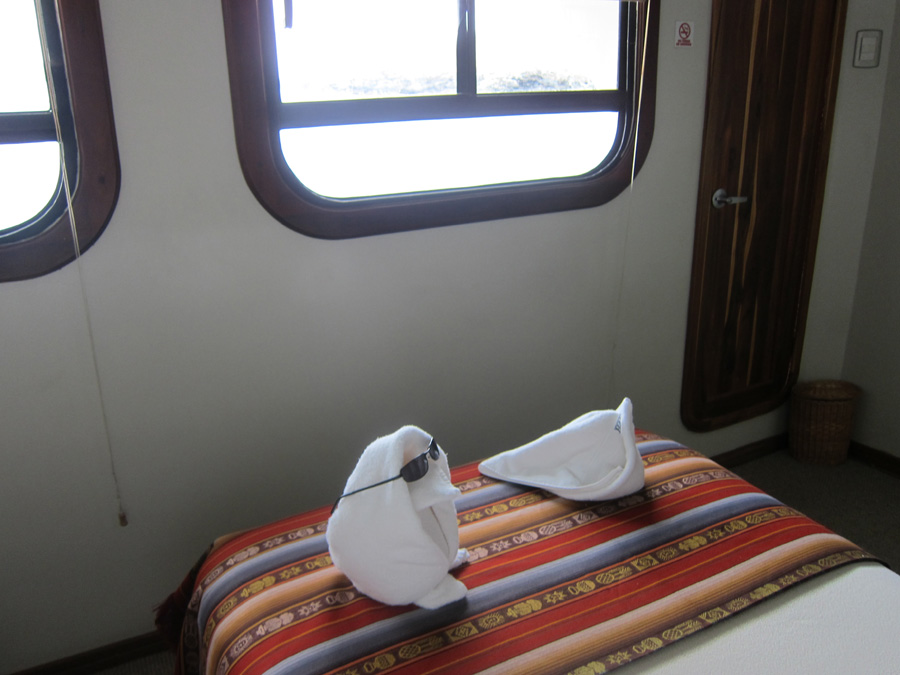
When we returned to the ship we found that our cabin boy had been at it again. Penguins and ice bergs.
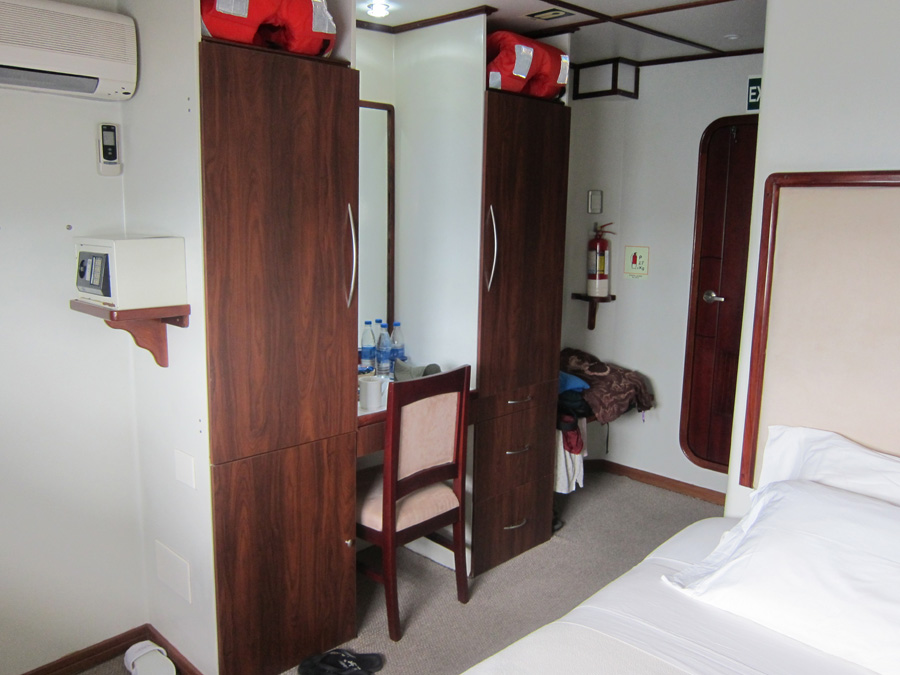
I had not yet taken any photos of our cabin, so since it was made up nicely, I thought it worth sharing.
We had two spacious windows which provided plenty of light. I am breaking here, and resuming in Chapter Fourteen. |
||||||||||||
|
||||||||||||