|
|
|
|
|
|
|
|
|
|
|
||||||||
|
||||||||||||||||||
|
Email us at: |
||||||||||||||||||
 |
||||||||||||||||||
 |
 |
|||||||||||||||||
|
Click the sun to see the |
||||||||||||||||||



 |
|||||||||
|
|
|
|
|
|||||
|
|||||||||
|
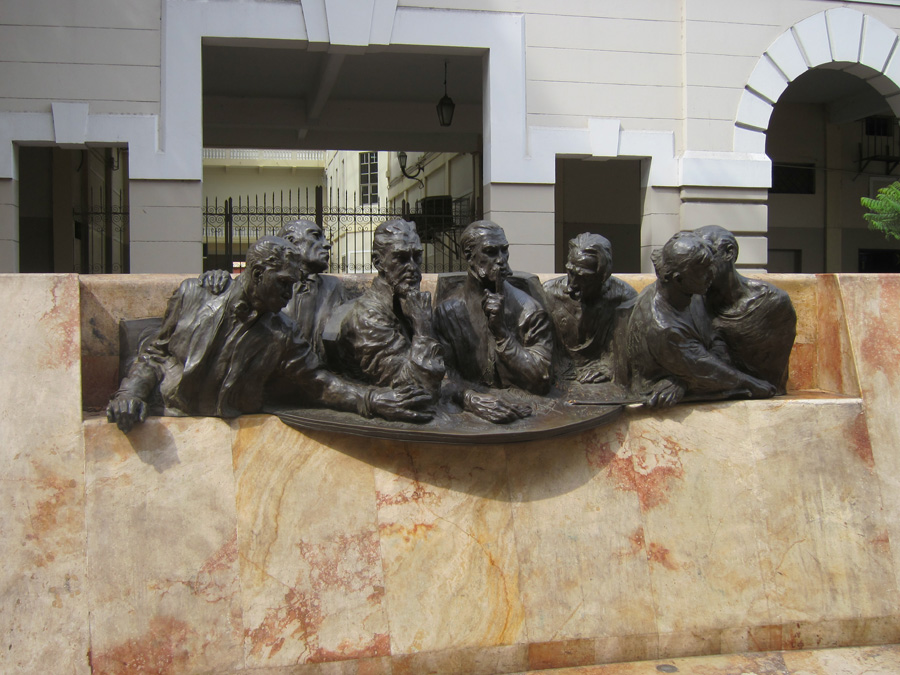
More of the founding fathers, in debate over achieving independence.
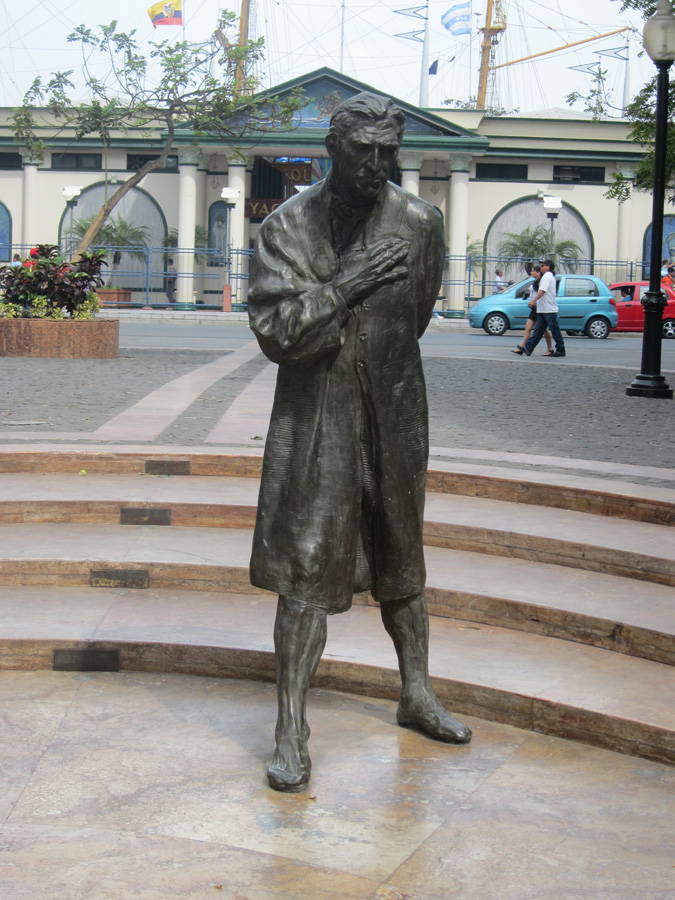
This was one of the most important character, but darned if I can remember his name.
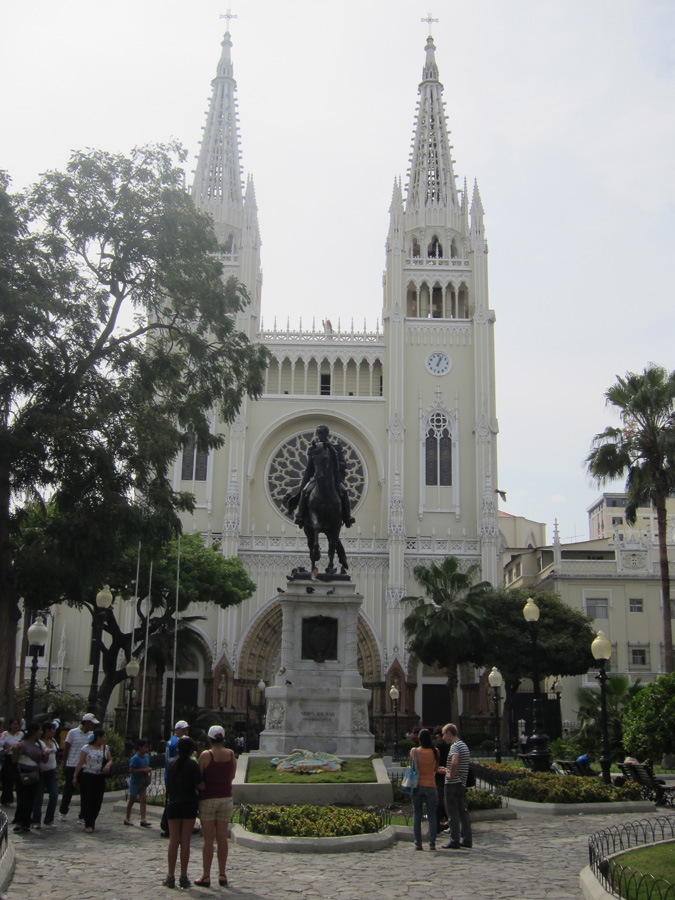
An impressive cathedral faces a beautiful square.
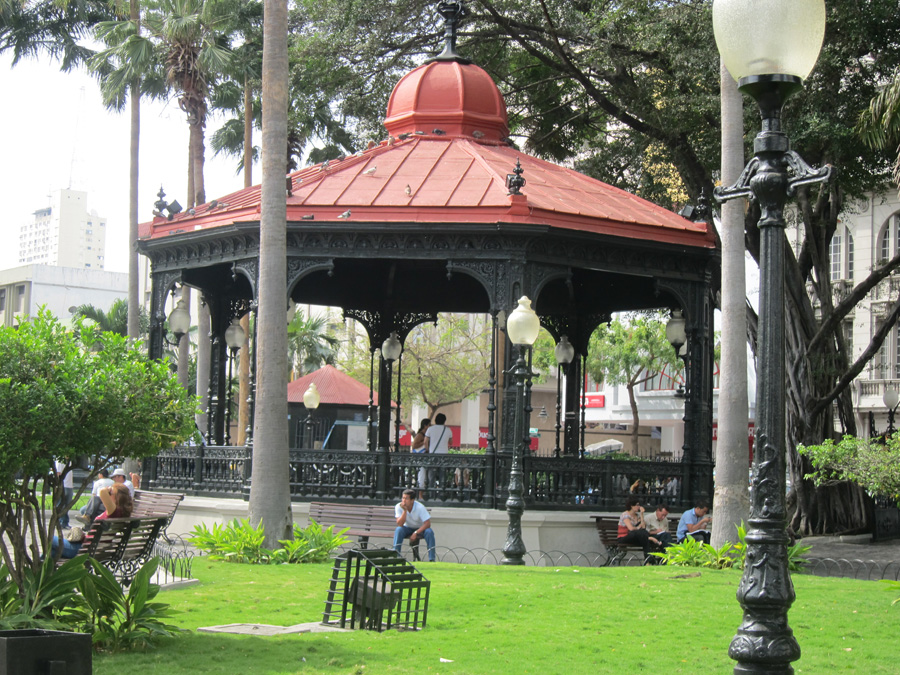
I love a beautiful gazebo like this. What a wonderful place to sit and enjoy this beautiful plaza.
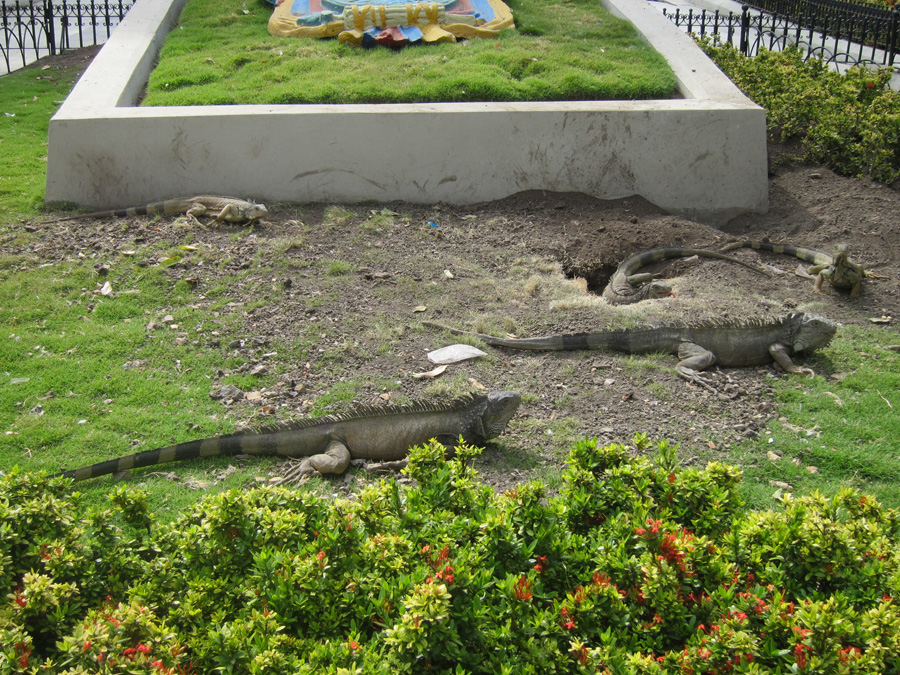
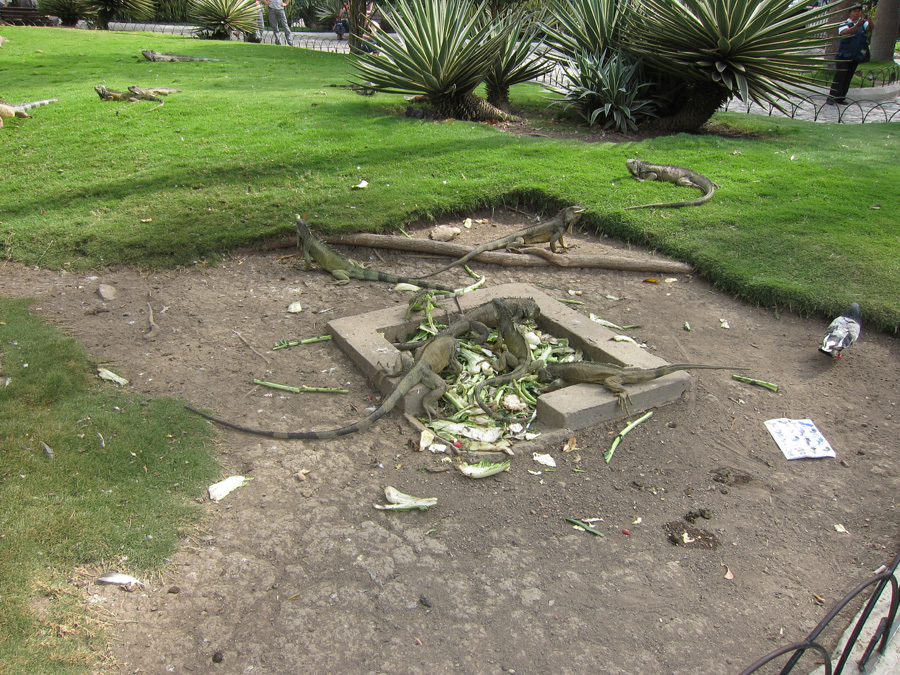
The plaza is home to hundreds of land iguanas, and they live in burrows, and can also be seen in the trees.
They are fed scraps of vegetables, and they seem to be happy to remain in the plaza.
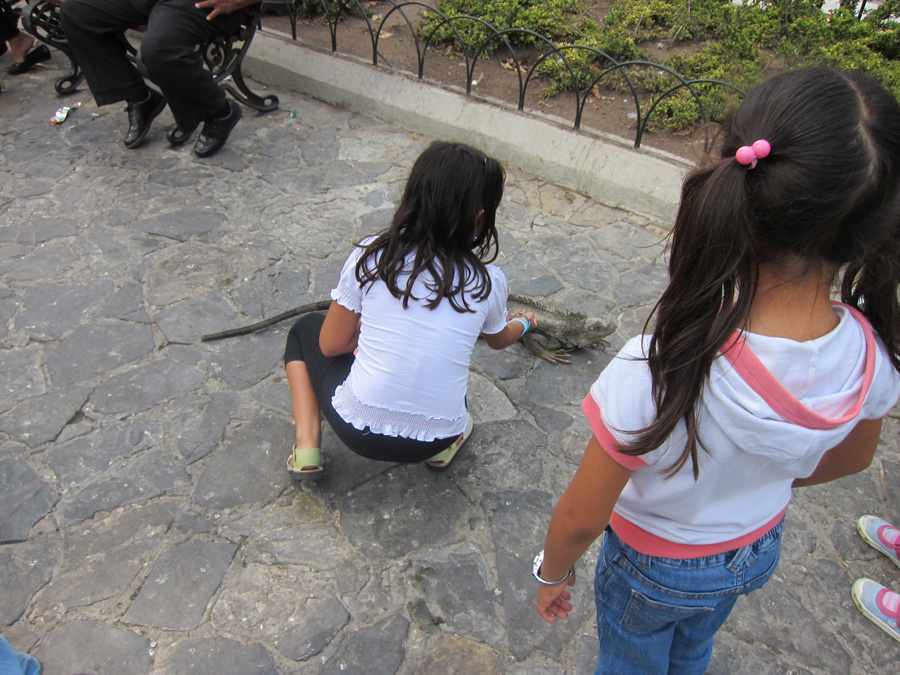
The small children seem to love to pet them, and show no apparent fear at all.
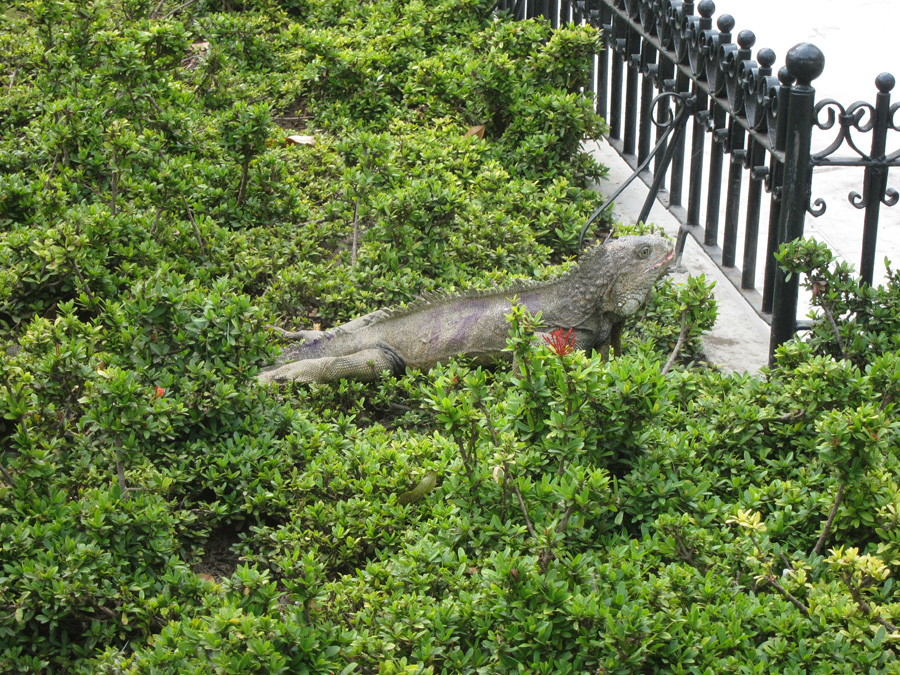
This guy appears to be looking longingly at the bars that separates him from the rest of the world, but I
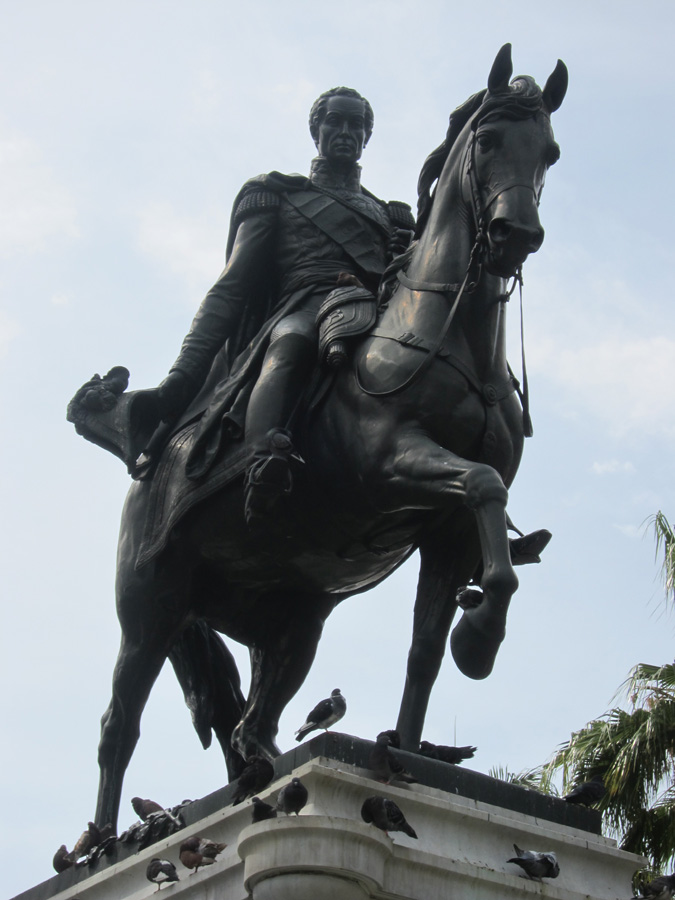
Famous generals always seem to spend eternity at the mercy of the pigeons.
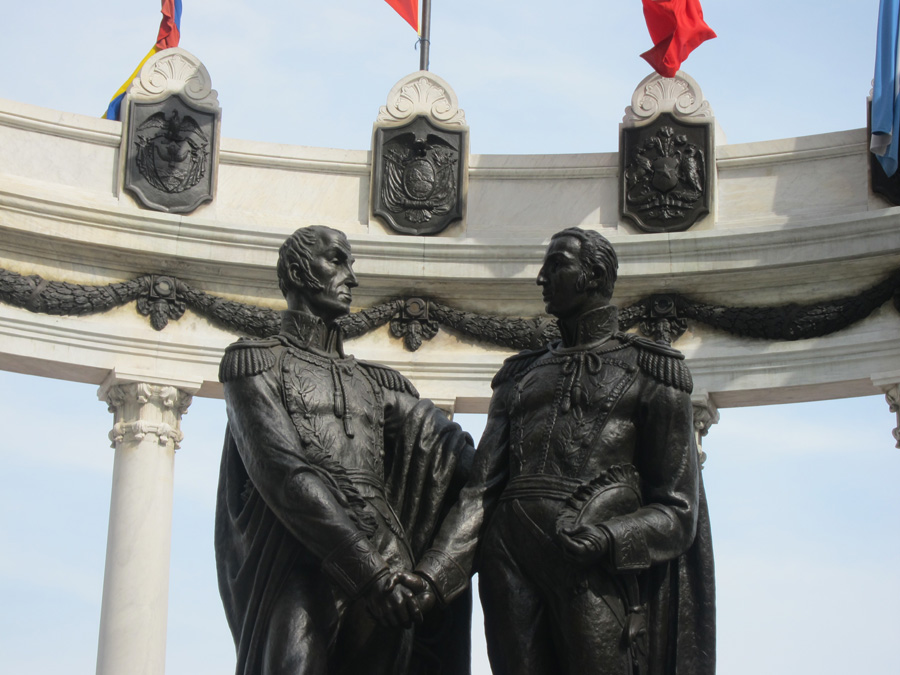
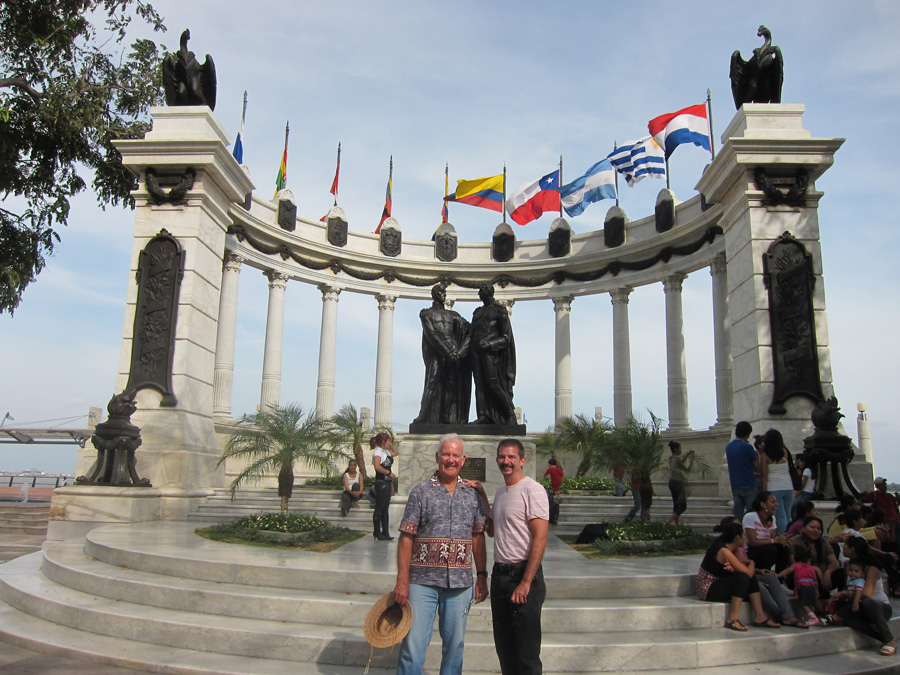
These two generals are probably the most famous men in South America. They shake hands at this momentous meeting.
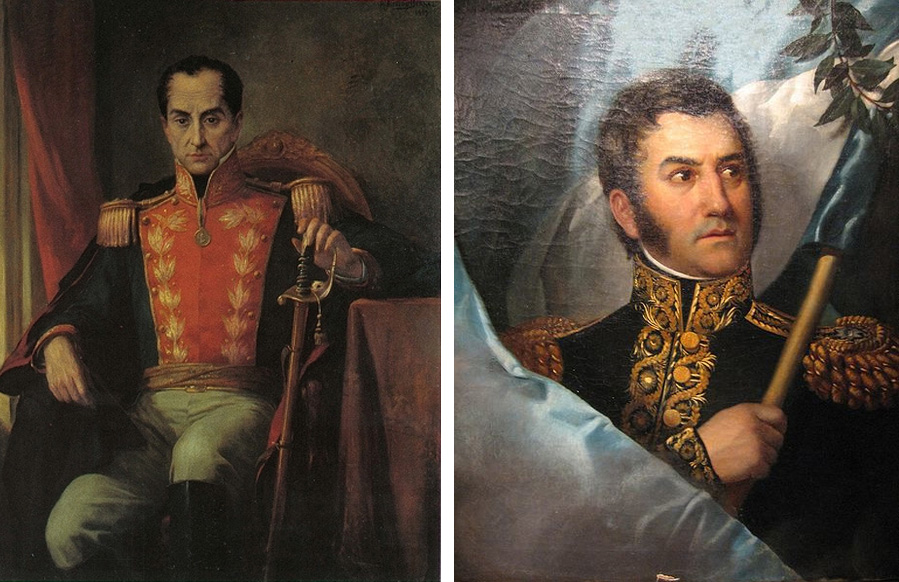
Simón José Antonio de la Santísima Trinidad Bolívar & José Francisco de San Martín Gómez y Matorras Both of these men are important figures in Latin America, and I include below a bit of history I garnered from the Internet. I think it's interesting enough to read through. And it gives more meaning and significance to the historic monument below. Simón Bolívar who has my same birth day, July 24, 1783, (just 154 years earlier) was a Venezuelan military and political leader. Together with José de San Martín, he played a key role in Hispanic America's successful struggle for independence from the Spanish Empire. Following the triumph over the Spanish Monarchy, Bolívar participated in the foundation of the first union of independent nations in Latin America, which was named Gran Colombia, and of which he was president from 1819 until his death on December 17, 1830. Simón Bolívar is regarded in Hispanic America as a hero, visionary, revolutionary, and liberator. During his lifetime, he led Bolivia, Colombia, Ecuador, Panama and Venezuela to independence, and helped lay the foundations for democratic ideology in much of Hispanic America. José de San Martín was an Argentine general and the prime leader of the southern part of South America's successful struggle for independence from Spain. Born in Yapeyú, Corrientes in Argentina, he left his mother country at the early age of seven and studied in an aristocratic school in Madrid, Spain, where he met and befriended Chilean Bernardo O'Higgins. In 1808, after joining Spanish forces in the Peninsular War against the French, and after participating in several battles such as the Battle of Bailén, San Martín started making contact with South American supporters of independence from Spain. In 1812 he set sail for Buenos Aires from England, and offered his services to the United Provinces of South America (present-day Argentina). After the Battle of San Lorenzo of 1813, and some time in command of the Army of the North during 1814, he started to put into action his plan to defeat the Spanish forces that menaced the United Provinces from upper Perú, making use of an alternative path to the Viceroyalty of Perú. This objective first involved the creation of a new army, the Army of the Andes, in the Province of Cuyo, Argentina. From there, he led the Crossing of the Andes to Chile, and prevailed over the Spanish forces at the Battle of Chacabuco and the Battle of Maipú (1818), thus liberating Chile from Royalist rule. Then he set sail to attack the Spanish stronghold of Lima, Perú, by sea. On 12 July 1821, after seizing partial control of Lima, San Martín was appointed Protector of Perú, and Peruvian independence was officially declared on 28 July 1821. A year later, after a closed-door meeting with fellow libertador Simón Bolívar at Guayaquil, Ecuador, on 22 July 1822, Bolívar took over the task of fully liberating Peru. San Martín unexpectedly left the country and resigned the command of his army, excluding himself from politics and the military, and moved to France in 1824. The details of he 22 July meeting would be a subject of debate by later historians. Together with Simón Bolívar, San Martín is regarded as one of the Liberators of Spanish South America. He is the national hero of Argentina. The Order of the Liberator General San Martín in his honor is the highest decoration in Argentina.
I will close here, and move on to my final chapter, continuing our tour of the city of Guayaquil. |
|||||||||
|
|||||||||