 |
|
|
|
|
|
|
|
|
|
|
||||||||
|
||||||||||||||||||
|
Email us at: |
||||||||||||||||||
 |
||||||||||||||||||
 |
 |
|||||||||||||||||
|
Click the sun to see the |
||||||||||||||||||



|
 |
|
|



|
|
|
DAY SIX ~ WÜRZBURG You would never know it today, but on 16 March 1945, about 90% of the city full of civilians (and military hospitals) was destroyed in 17 minutes by 225 British Lancaster bombers during a World War II air raid. All of the city's churches, cathedrals, and other monuments were heavily damaged or destroyed. The city center,which dated from medieval times, was totally destroyed in a firestorm in which 5,000 people perished. Over the next 20 years, the buildings of historical importance were painstakingly and accurately replicated. The citizens who rebuilt the city immediately after the end of the war were mostly women ー? Trümmerfrauen ("rubble women") ー? because the men were either dead or taken prisoners of war. After the war, Würzburg was host to the U.S. Army's 3rd Infantry Division, 1st Infantry Division, U.S. Army Hospital and various other U.S. military units that maintained a presence in Germany. The U.S. units were withdrawn from Würzburg in 2008, bringing an end to over 60 years of U.S. military presence in Würzburg.
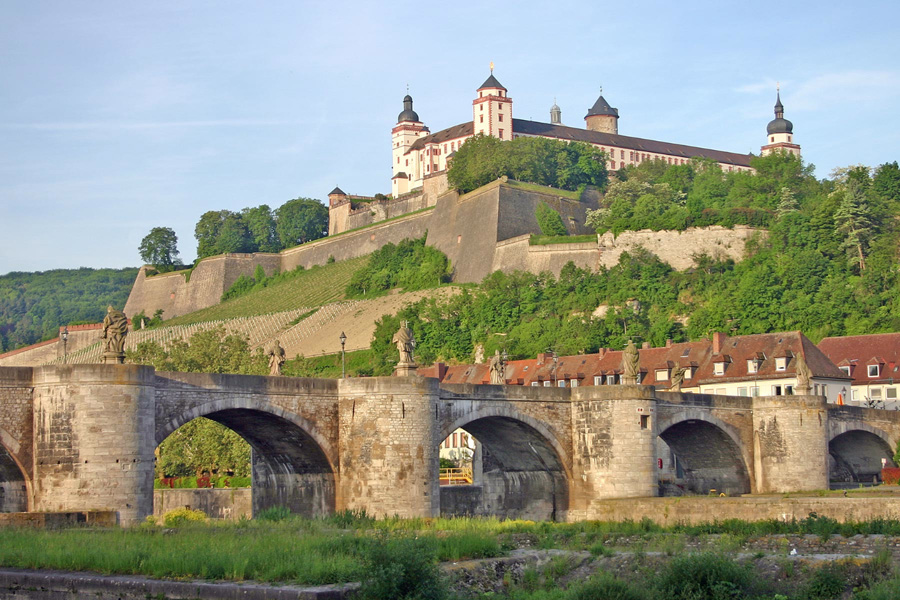
This is the Fortress Marienberg with the Old Main Bridge in the foreground. Both are signature sites of Würzburg.
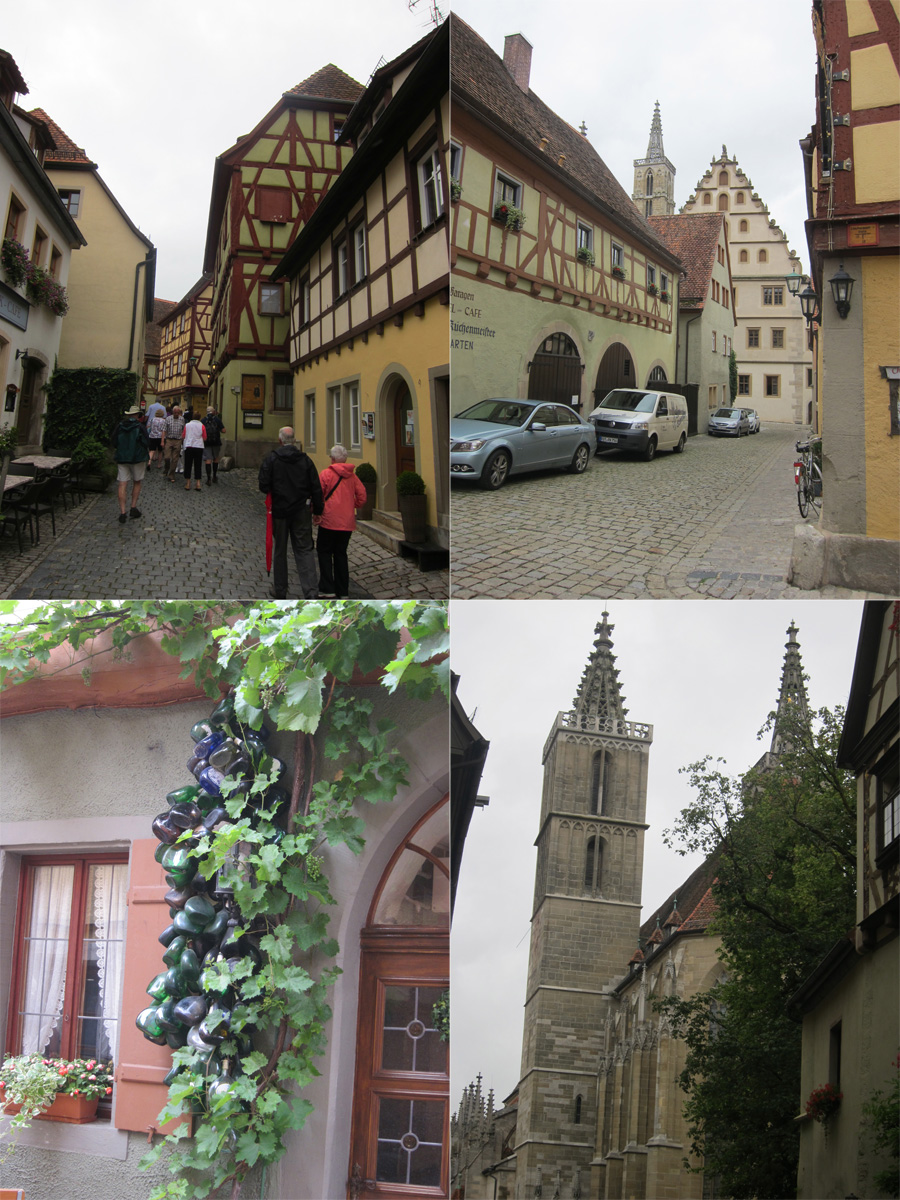
The homes and shops, the towering spires of the cathedral all look as if they are in pristine condition, and it's no illusion. Remember, we are walking through the town center, which was 90% destroyed in 17 minutes on 16 March 1945. I don't know exactly how much damage the cathedral suffered, but today it looks remarkably intact.
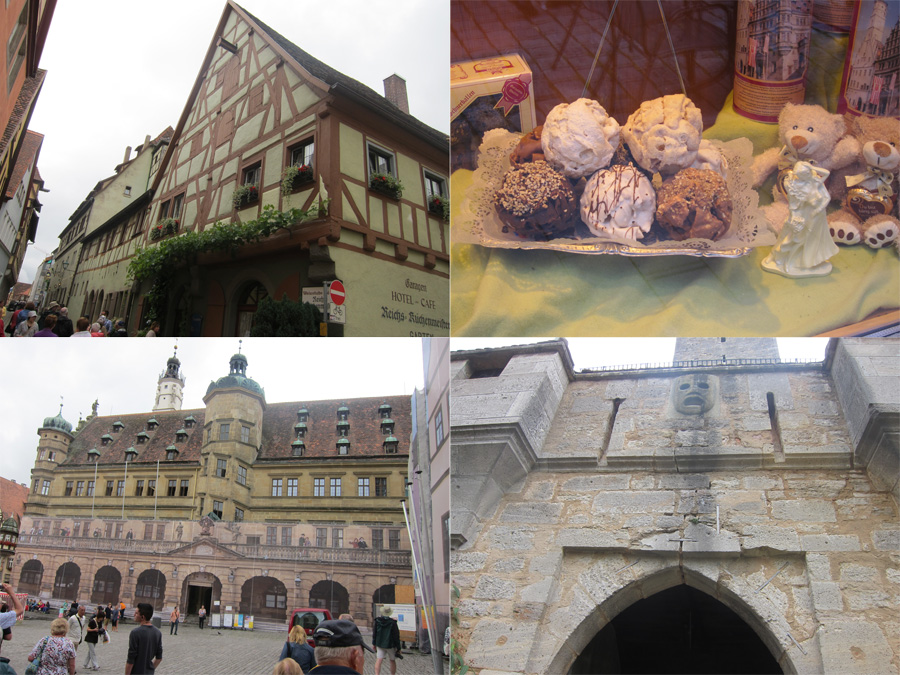
Our guide told us that those unusual treats are very tasty. We did not stop to try them though. Too much food on board I guess.
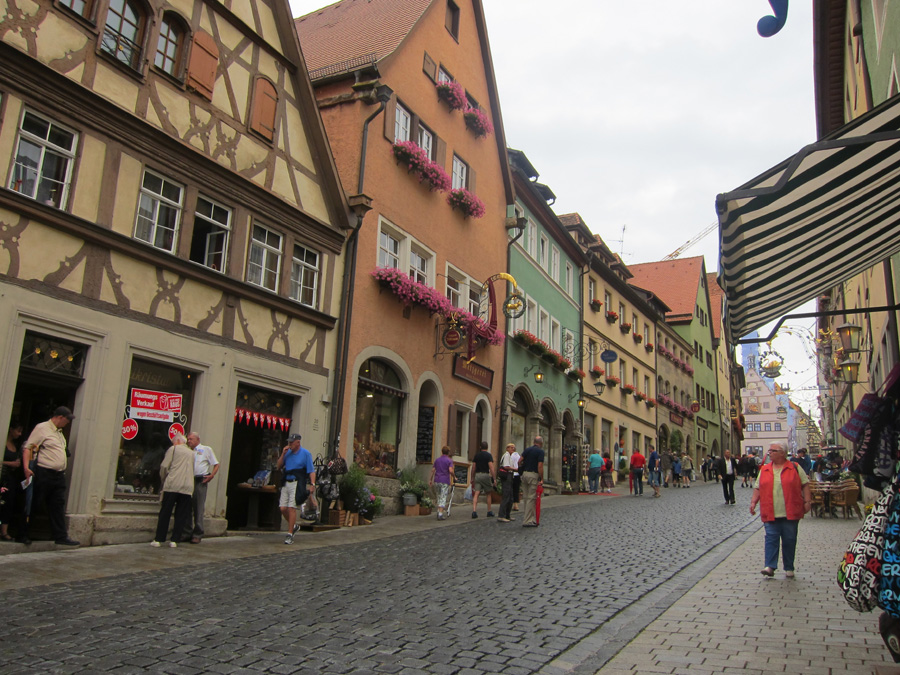
The buildings were certainly architecturally distinct and esthetically beautiful, and we were enjoying this city tour.
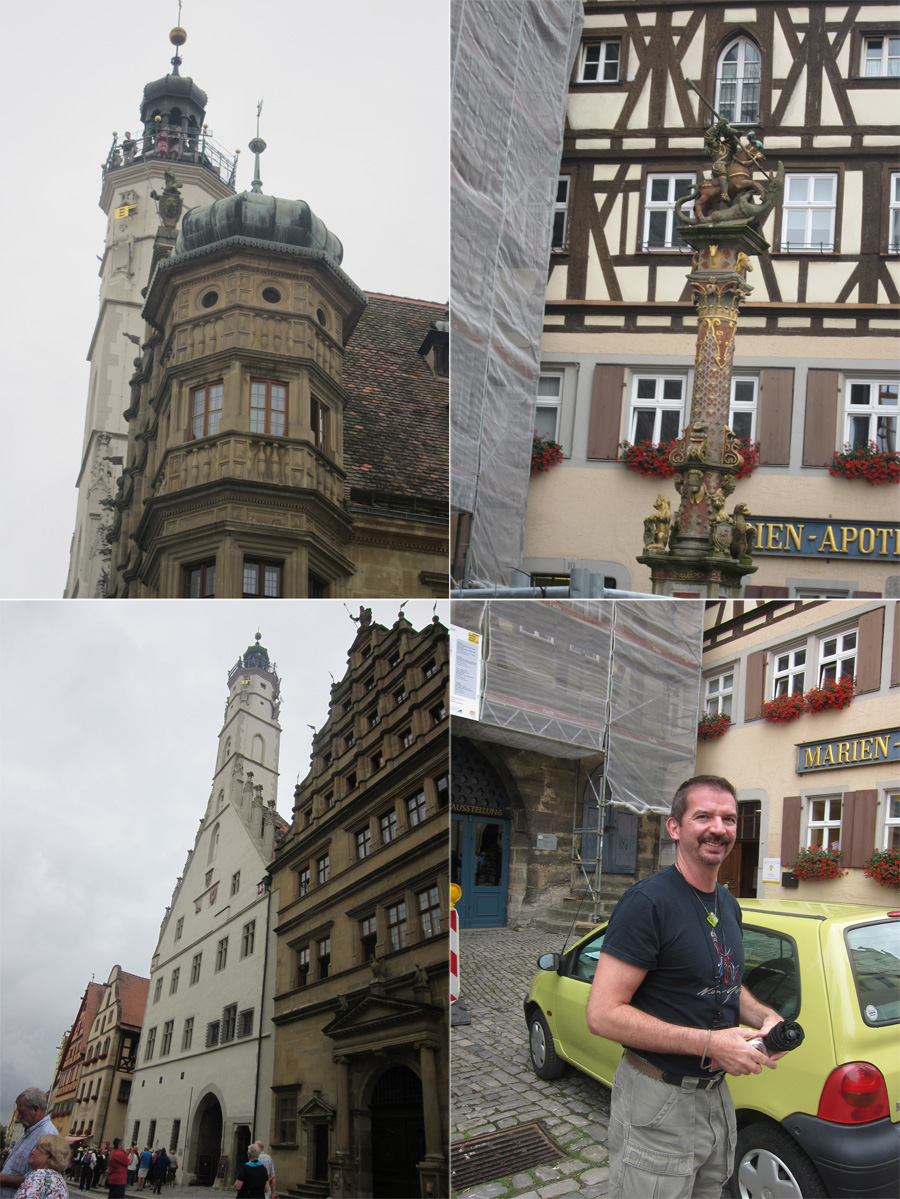
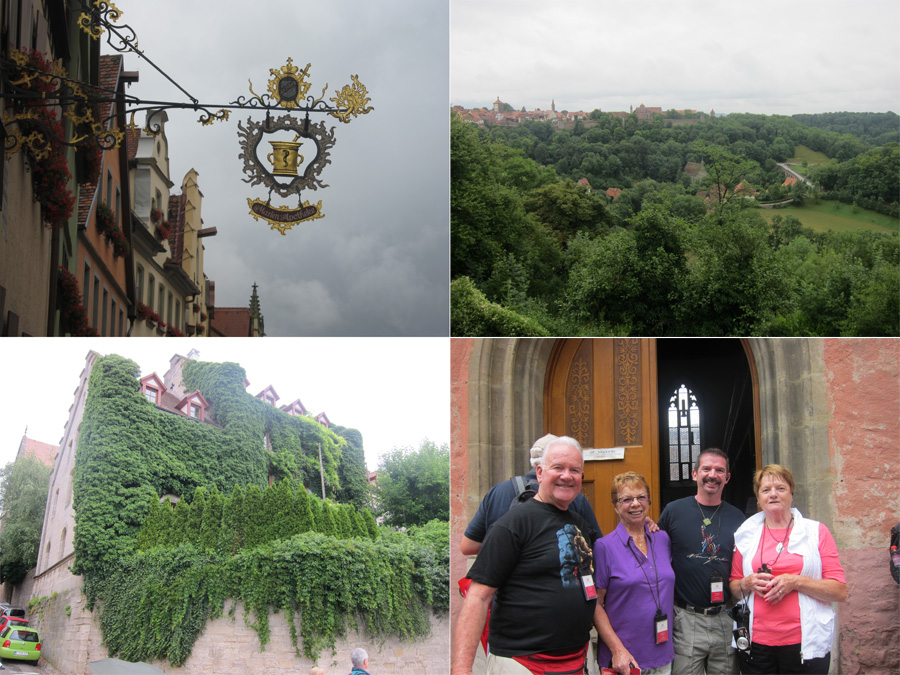
I loved the ornate signs advertising the various businesses. This one was for a pharmacy. Looking out over the
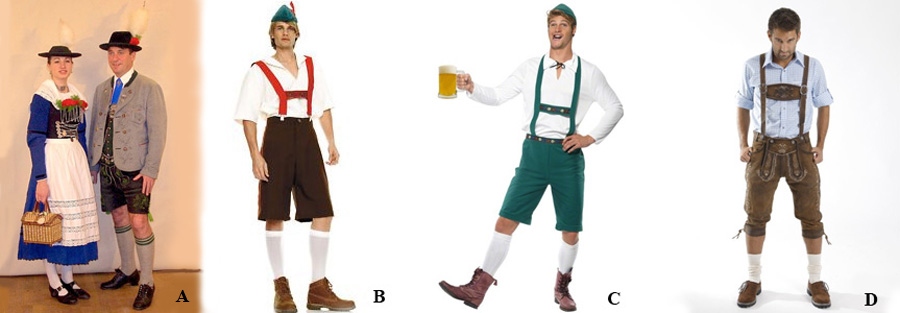
Well, "A" is definitely out. "B" & "C" are a little too fru fru. I do, however, like the rugged look of "D".
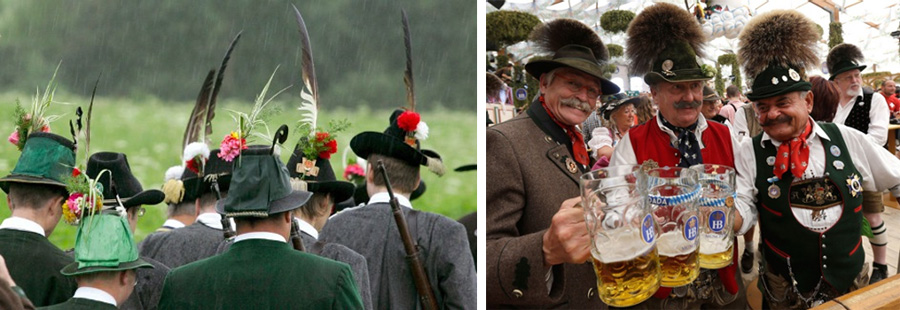
Perhaps a stylish had would do the trick. I would certainly stand out in a crowd. I do like those huge beer mugs. ;o) Next we stopped at the Crime Museum. It was a very enlightening visit.
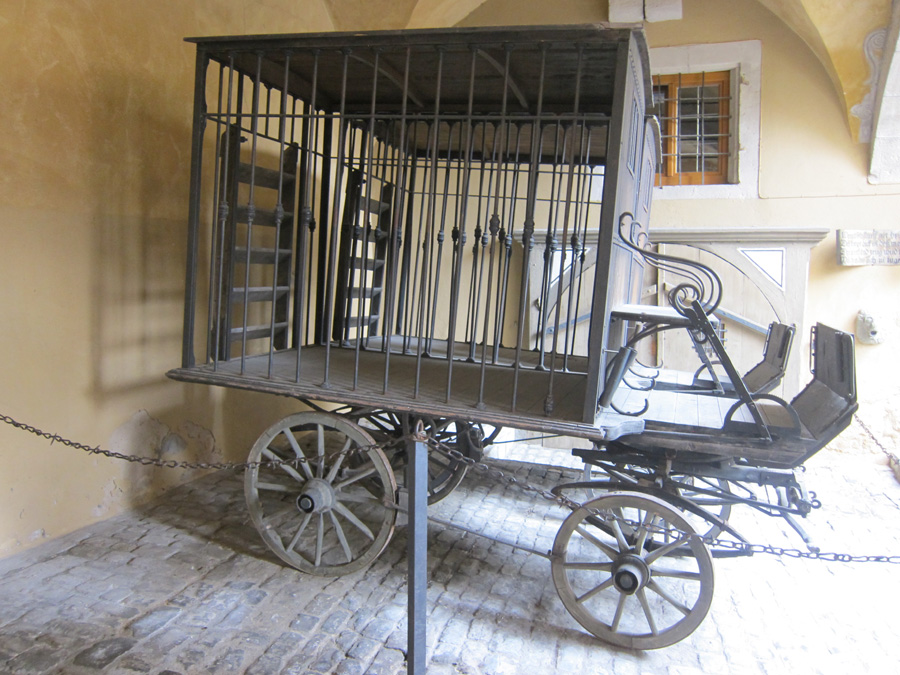
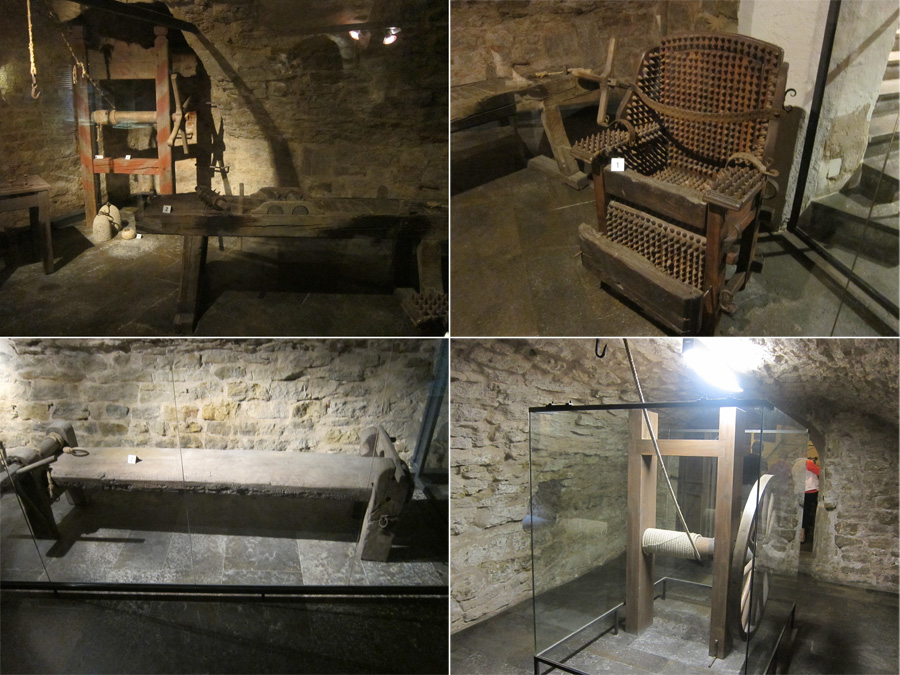
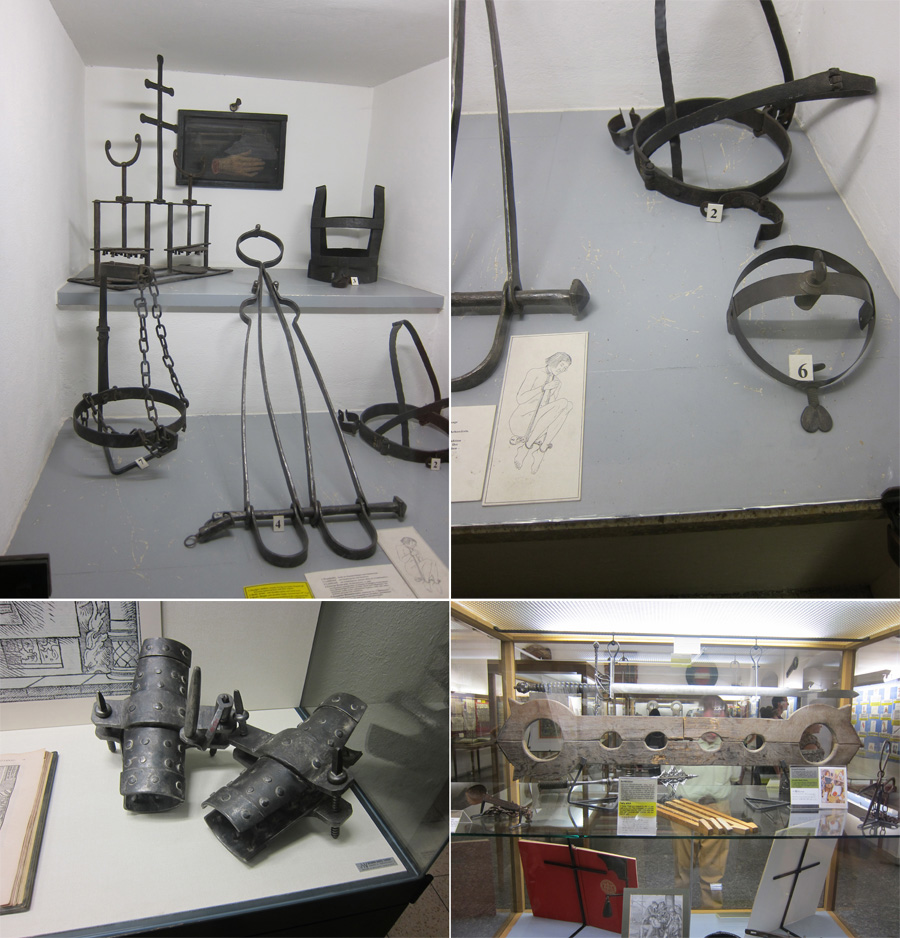
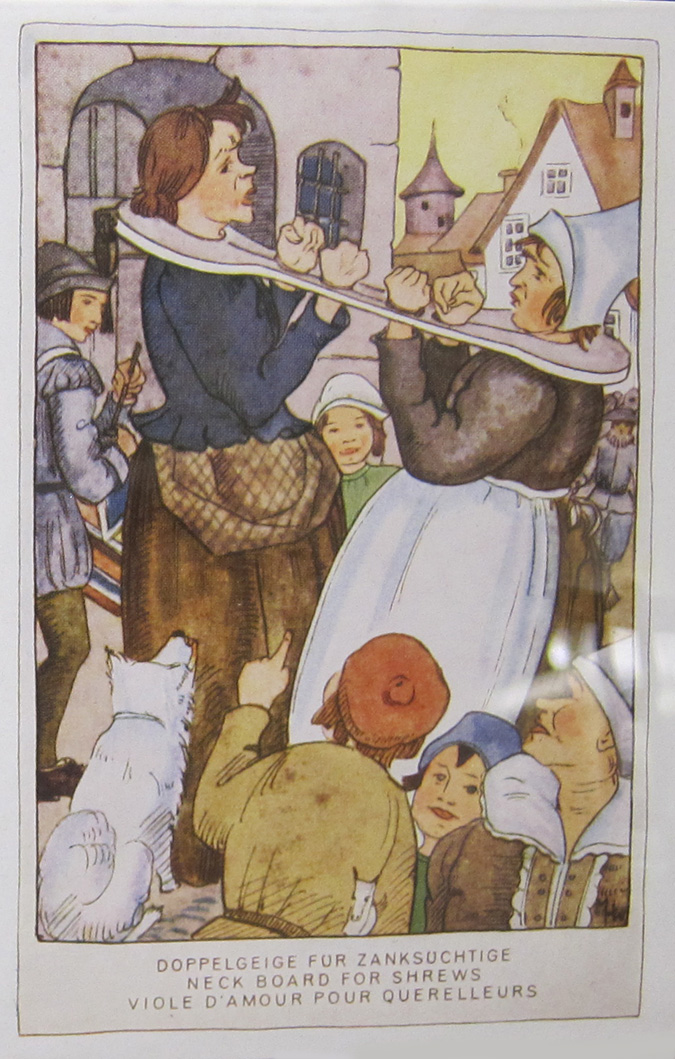
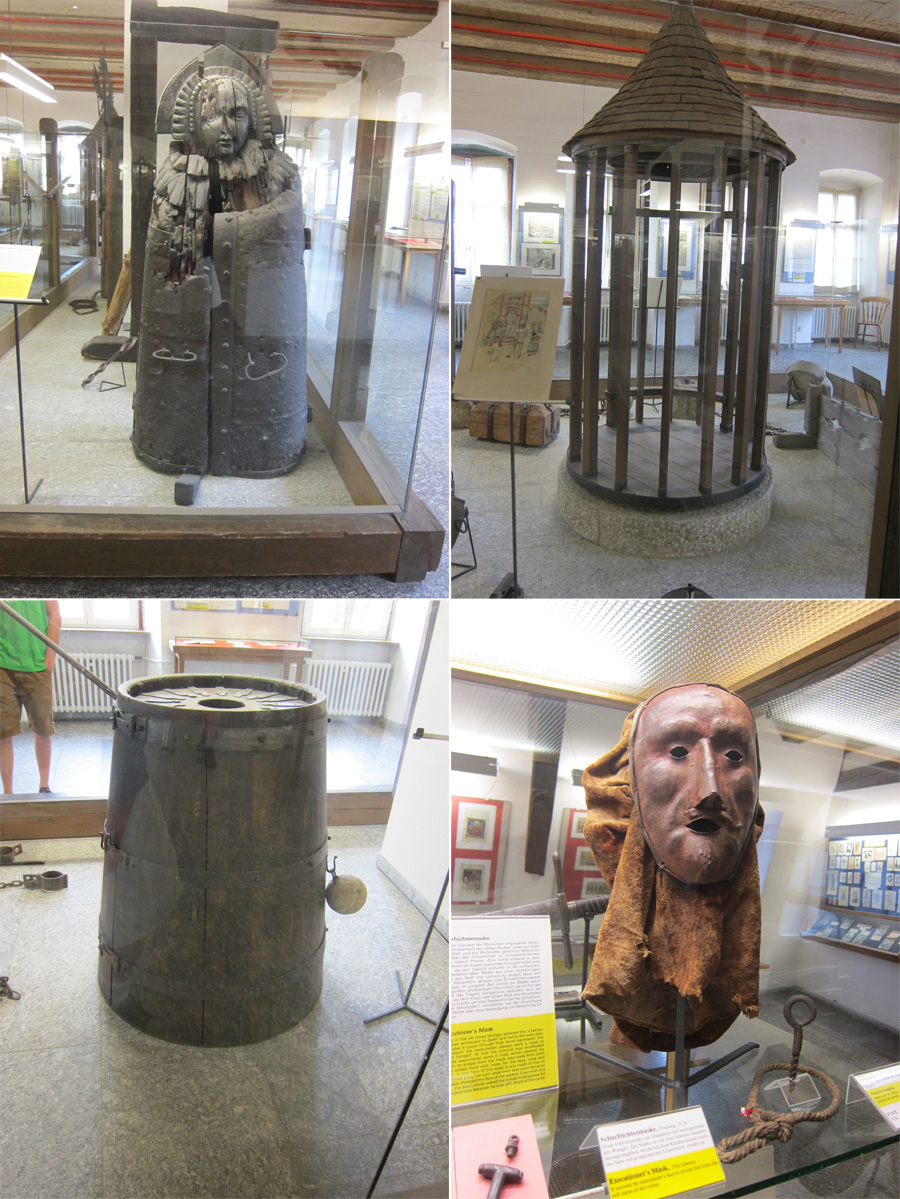
This steel cage carriage, the predecessor to our modern day "paddy wagon", was parked at a the entrance to the museum. Inside the museum, shown in various stages, is a unique collection covering such diversified areas as instruments of judgement, torture and punishment decrees pertaining to medieval laws. The various display areas of the museum give everybody an insight into the law, punishment and living conditions of the so-called "good old times".
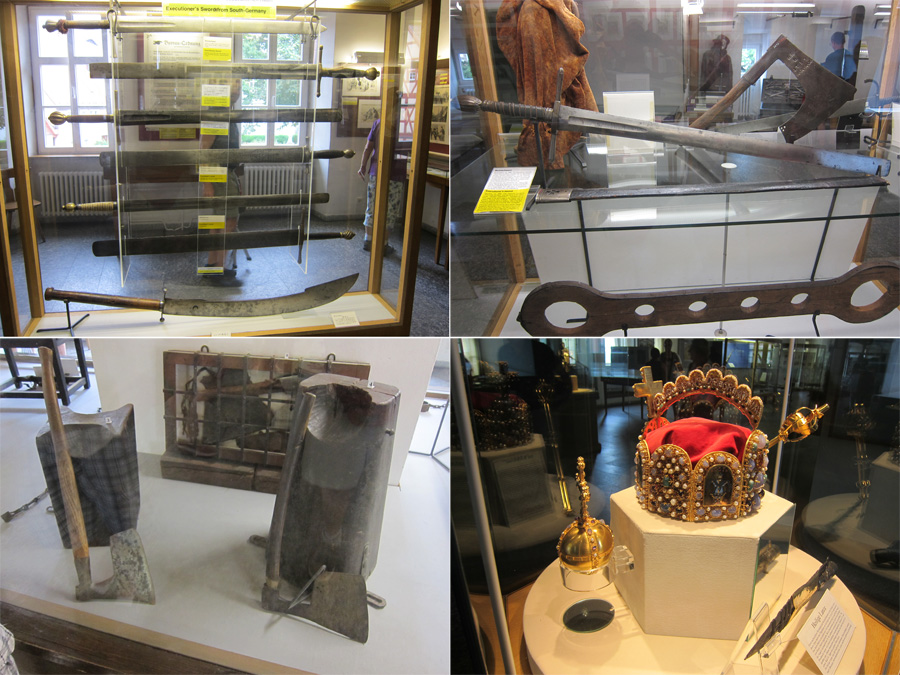
Hanging a person by their wrists or ankles off the ground was a tortuous experience, as was the chair with the
The blacksmith must have had weird nightmares at night to think up these various contraptions to cause pain and
I wonder if kicking was allowed?
Iron maiden (Nürnberg) Original, 15th~16th century. A mantle of infamy for women and girls. The wooden oak
The two top photos are of executioner's swords. The one on the right, circa 1640, has an engraved inscription
We stroll down one of the wider streets, concluding our walking tour of
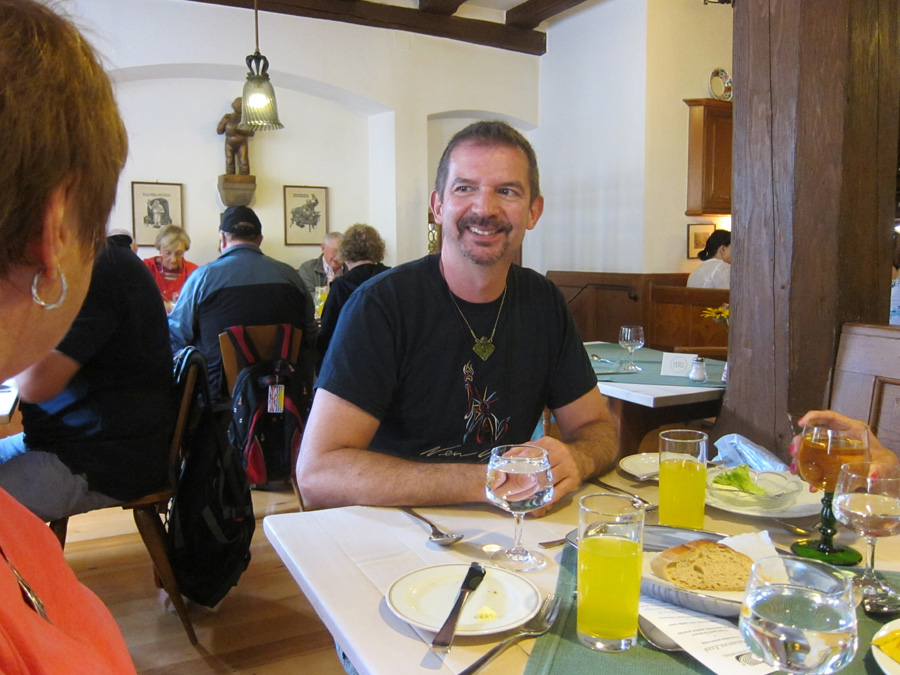
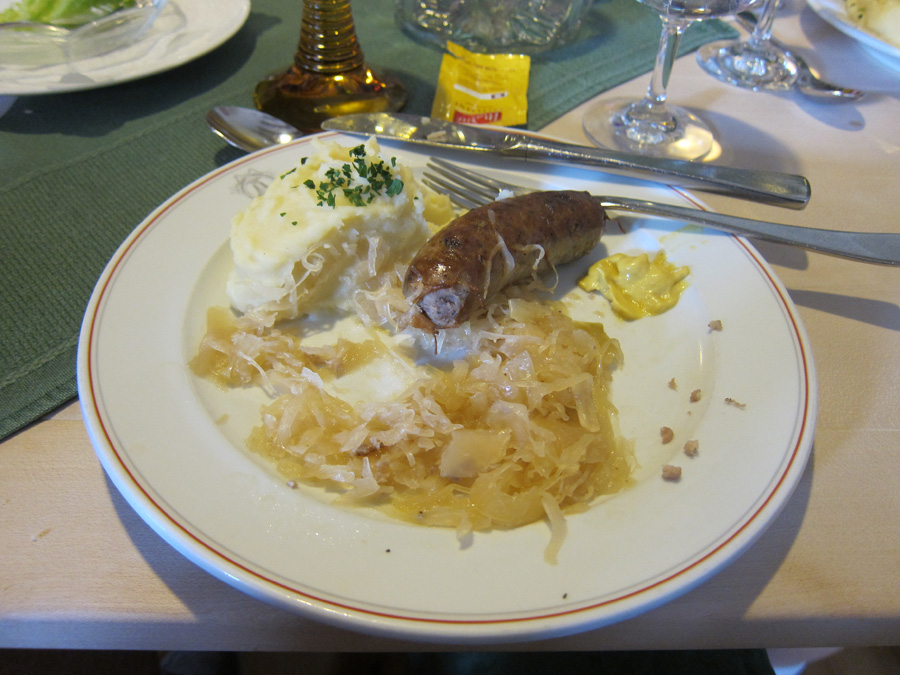
If memory serves me, our lunch in town was not as good as what we normally get on board the Var.
The meal consisted of Franconian potato soup, home-made Bratwurst, wine-sauerkraut, Following lunch we went for a tour of the Würzburg Residenz.
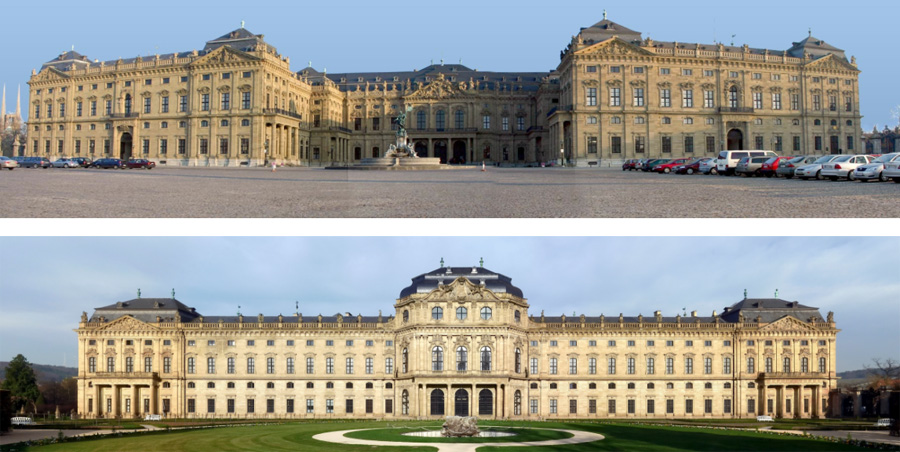
This is the front and rear view of the Würzburg Residenz. Our tour will begin in Part 6. The Residenz was commissioned to be built in 1720 and was completed in 1744. It was designed much along the lines of the Palace of Versailles in Paris, only on a much smaller scale. I seriously doubt that we could build something as grand as this today, simply because our form of government wouldn't allow the dichotomy of the very rich vs the very poor to become so widely different. I think that in the 16th and 17th centuries there was a definite rivalry among the worlds elite classes, a game of oneupmanship if you like. The French were, in my opinion, the champions of excess. If you've ever visited Versailles, you will know exactly what I mean. So now I leave you to wonder what is inside this amazing building. |
|
||||
|